
AI wearables — smart glasses, AI earbuds, neural ear devices, health-tracking wearables.
 Arjun Verma
- •
- 05 MIN TO READ
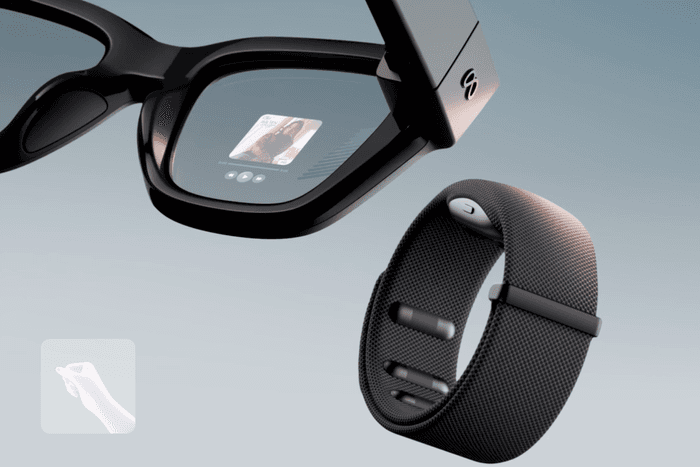
AI wearables — smart glasses, AI earbuds, neural ear devices, health-tracking wearables.
AI wearables are becoming one of the most exciting gadget categories in modern technology. These devices do more than sit on your wrist or in your pocket—they listen, analyze, assist, and respond in real time.
From smart glasses that provide hands-free information to AI earbuds that support communication and productivity, wearables are moving beyond fitness tracking into everyday work, health, and communication use cases. The wearable AI market is expanding quickly, driven by demand for personalized assistance, health insights, and enterprise productivity tools. [31][34]
Why AI Wearables Matter
AI wearables are important because they bring intelligence closer to the user. Instead of opening an app or switching between devices, people can interact with technology naturally through voice, vision, motion, and biometric data.
They matter because they can:
- Improve convenience through hands-free interaction.
- Deliver real-time insights.
- Support health and wellness tracking.
- Increase productivity in work environments.
- Reduce friction in daily tasks.
Smart Glasses
Smart glasses are one of the most visible examples of AI wearables. They combine a wearable display or camera system with AI features such as object recognition, live translation, navigation, and contextual assistance.
Real-world use cases
- Field workers can receive instructions without looking down at a phone.
- Logistics teams can scan packages and follow guided workflows.
- Retail teams can check inventory or product placement hands-free.
- Remote support teams can see what the wearer sees and assist in real time.
Why they matter
Smart glasses are especially useful in industries where workers need both hands free and instant access to information. They are moving from novelty devices to practical workplace tools. [30][40][42]
AI Earbuds
AI earbuds are more than audio devices. They are becoming personal assistants that can transcribe conversations, summarize meetings, translate speech, and support on-the-go productivity.
Real-world use cases
- Professionals can capture meeting notes automatically.
- Travelers can get live translation support.
- Customer service agents can use transcription and conversation summaries.
- Creators can record ideas and convert voice into usable text.
Why they matter
AI earbuds help users stay connected without constantly checking a phone. They are especially useful for people who work in fast-moving, communication-heavy environments. [24][42]
Neural Ear Devices
Neural ear devices are an emerging category of wearables that aim to make interaction even more intuitive. These devices are designed to detect subtle signals, improve control, and support new forms of human-device communication.
Possible use cases
- Hands-free device control.
- Faster interaction in professional environments.
- Enhanced accessibility for users with mobility challenges.
- Context-aware assistance based on movement or audio patterns.
Why they matter
This category is still emerging, but it points toward a future where wearables may respond to intention and subtle signals rather than only voice or touch. That makes them especially interesting for next-generation tech coverage. [31][34]
Health-Tracking Wearables
Health-tracking wearables remain one of the strongest and most established AI wearable categories. These devices monitor fitness, sleep, stress, heart rate, and other biometric signals, then use AI to deliver personalized recommendations.
Real-world use cases
- Fitness tracking and coaching.
- Sleep quality monitoring.
- Stress and recovery analysis.
- Early warning alerts for health irregularities.
- Personalized wellness recommendations.
Why they matter
Health-tracking wearables are popular because they give users continuous feedback about their bodies and habits. Their value comes from turning raw sensor data into practical guidance that supports better daily decisions. [31][34]
How AI Wearables Are Used
AI wearables are useful in both personal and professional settings. Their biggest strength is that they combine data collection with immediate action.
Common use patterns
- Voice commands for quick tasks.
- Real-time transcription and translation.
- Biometric monitoring for health and fitness.
- Context-aware alerts and reminders.
- Hands-free work support.
Business value
For businesses, AI wearables can improve workflow speed, reduce manual effort, and support mobile employees. For consumers, they create a more seamless and personalized technology experience. [30][40]
Challenges and Limitations
Although AI wearables are promising, they still face several challenges. Battery life, privacy, comfort, cost, and data security remain important concerns.
Main concerns
- Long battery life is still difficult for compact devices.
- Cameras and microphones raise privacy questions.
- Some devices are expensive for mainstream users.
- Adoption depends on how comfortable and useful they feel in daily life.
- Data protection matters when wearables collect sensitive health or work information.
Future of AI Wearables
The future of AI wearables will likely focus on smaller devices, better battery efficiency, smarter AI assistance, and deeper integration with everyday tools. As the market grows, more products will likely target specific use cases such as work productivity, wellness, accessibility, and communication. [31][32][34]
Smart glasses, AI earbuds, and health trackers are likely to become more useful as AI models improve and device design becomes more natural and comfortable. This is why AI wearables are one of the most important gadget trends to watch.
Conclusion
AI wearables are changing how people work, move, and stay informed. Smart glasses make information hands-free, AI earbuds improve communication, neural ear devices hint at the next generation of interaction, and health wearables turn body data into useful insights.
If you want to write about a gadget trend with real future potential, AI wearables are one of the best topics to choose.

Suggested Posts
All PostsAllAll PostsAll
 Priya
Priya
Soft Robotics Breakthrough Lets Machines Handle Fragile Objects Like Humans
- Arjun
- •
- 02 MIN TO READ

 Divya
Divya