Jul 29, 2026
AI wearables — smart glasses, AI earbuds, neural ear devices, health-tracking wearables.
 Arjun
Arjun- •
- 05 MIN TO READ

 Priya Sharma
What's Next After the Smartphone: On-Device AI Wearables
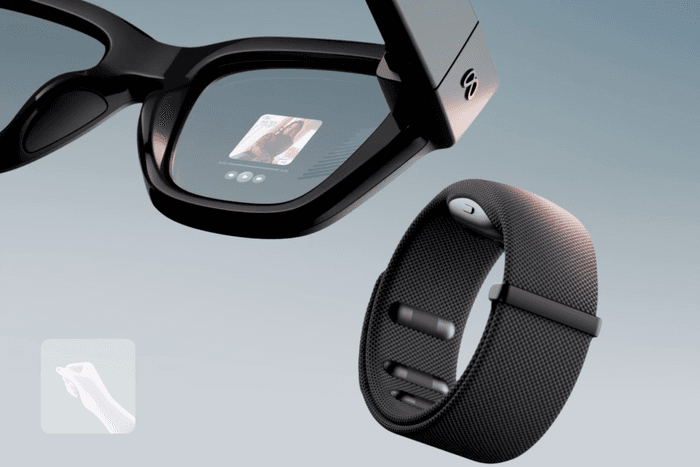
Every few years, a chorus of tech commentary declares the smartphone's dominance is about to end. It usually doesn't. But the current wave of AI-powered wearables, smart glasses, AI pins, earbuds with always-on assistants, are making a more specific and more credible argument than past challengers: not that the phone disappears, but that a growing share of quick interactions move to something you're already wearing.
The core idea behind this generation of devices is reducing how often you have to pull out a screen and consciously operate a piece of software. A wearable with an always-listening assistant and on-device processing can answer a question, transcribe a conversation, or surface a reminder without the multi-step ritual of unlocking a phone, opening an app, and typing.
Earlier voice assistants routed almost everything to the cloud, which meant noticeable lag and a hard privacy trade-off, your conversations and queries traveling to a remote server by default. The current generation of wearables leans heavily on smaller, efficient models that run directly on the device's own chip, cutting latency and keeping sensitive audio local unless a request genuinely needs cloud-scale processing.
Running any meaningful AI workload continuously on a small, battery-constrained device is a hard engineering trade-off, and it's the main reason most current wearables use a hybrid approach: lightweight always-on processing for wake-word detection and simple queries, with more complex requests offloaded to a paired phone or the cloud only when needed.
Nobody wants a smarter device that dies by 3pm. Efficiency, not raw model size, is the actual product battle in this category right now. Wearable hardware product lead
An always-listening device sitting on your body or face raises privacy questions that smartphone apps mostly sidestepped by requiring an explicit tap to activate. Manufacturers are responding with visible recording indicators, on-device processing defaults, and, in some markets, are being pushed by regulators to make those protections a requirement rather than a design choice left entirely to the company.
The smartphone isn't going anywhere soon, it remains the device with the screen, the app ecosystem, and the battery capacity for anything complex. What's realistic is a genuine second category alongside it: lightweight, always-available AI wearables that handle the quick, low-friction interactions a phone is honestly a little clunky for for. That's a smaller claim than "smartphone killer," and a far more believable one.
ArjunPriya